
MOSFET Solutions for Motor Drives
Power MOSFETs form the switching bridge that controls motor speed, torque, direction and braking across battery-powered and industrial systems.
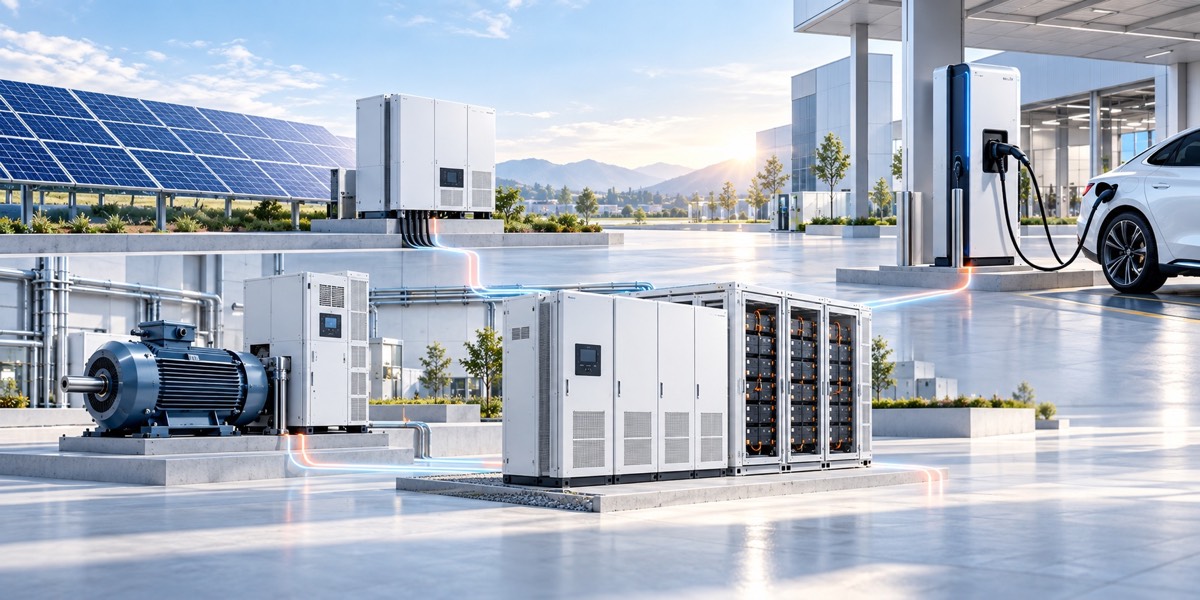
How MOSFETs Control a Motor
The controller decides how the motor should move. The gate driver turns the MOSFETs on and off, and the MOSFET bridge directs current through the windings. Controlled switching regulates speed, torque, direction and braking.
Choose bridge devices against DC-bus voltage, motor phase current, PWM frequency and gate-driver capability. Compare conduction and switching losses, then check body-diode behavior, inductive transients, safe operating area, protection response and the thermal path against the device datasheet and motor-control operating profile.
Power Source
Supplies energy from a battery or from an AC input converted to a DC bus.
Control & Gate Drive
Turns speed, torque or direction commands into precisely timed gate signals.
MOSFET Power Stage
Switches current through the motor phases using half-bridge, full-bridge or three-phase circuits.
Motor Load
Converts controlled electrical power into motion for the required mechanical task.
MOSFET Options for Different Drive Architectures
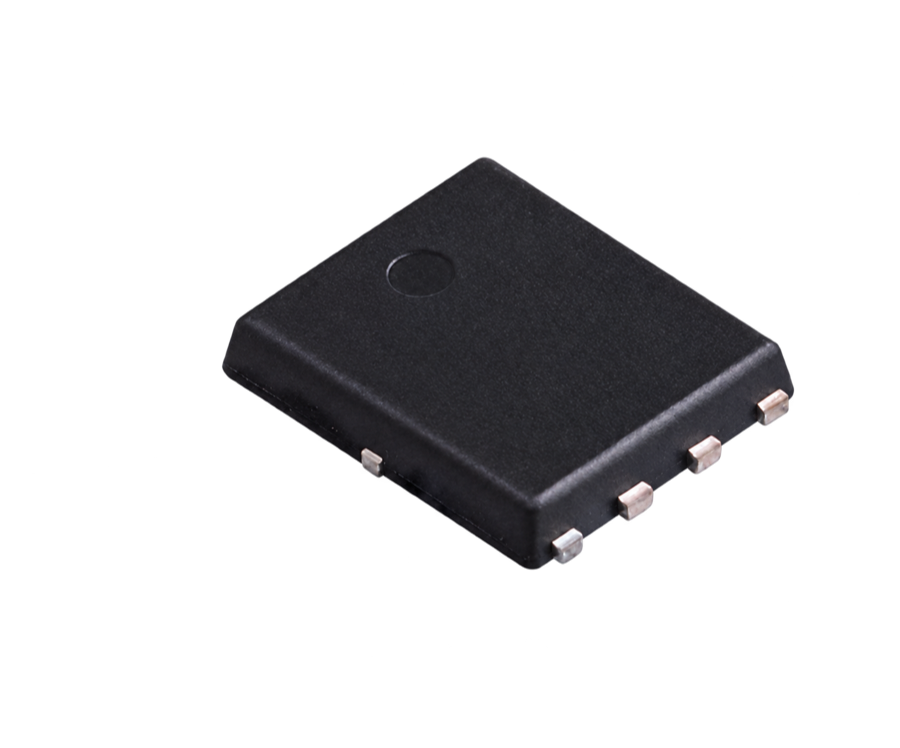
Low-Voltage MOSFETs
For battery-powered equipment, compact DC motors, pumps, fans and robotics where low conduction loss matters.
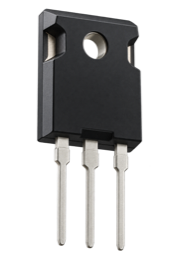
High-Voltage MOSFETs
For offline and industrial inverter stages where voltage margin, reliable switching and thermal design are important.
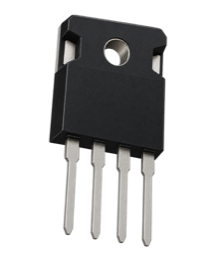
SiC MOSFETs
For demanding high-efficiency drives that benefit from fast switching, lower switching loss and higher power density.
What to Share for Device Matching
Tell us the motor type, power source, continuous and peak current, switching method, preferred package and cooling approach. Technical documents are available upon request.