
MOSFET Solutions for EV Charging
Power MOSFETs and SiC MOSFETs support power factor correction, isolated DC-DC conversion and efficient charging power stages.
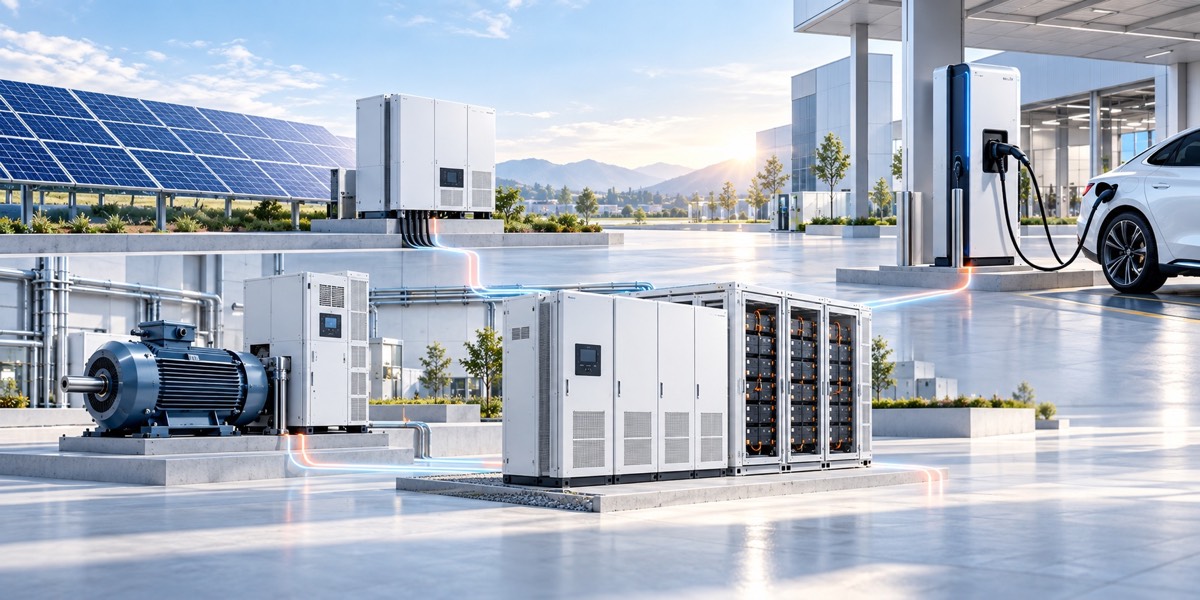
How MOSFETs Transfer Power to an EV Battery
The charger shapes incoming power, creates a controlled DC bus and converts that energy to the battery voltage. MOSFET switching controls efficiency, isolation and the charging current delivered to the vehicle.
Grid Input
AC power enters through protection, filtering and rectification.
PFC Stage
The switching stage shapes input current and creates a controlled DC bus.
Isolated DC-DC Stage
MOSFETs transfer energy through high-frequency isolation and regulate the output.
Vehicle Battery
The charging controller delivers managed DC power to the battery pack.
MOSFET Options for EV Charging Power Stages
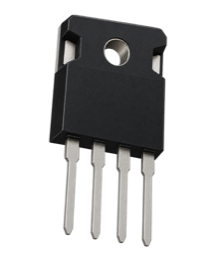
SiC MOSFETs
For fast switching, lower conversion loss and demanding charging power-density targets.
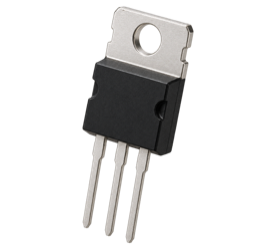
High-Voltage MOSFETs
For auxiliary conversion and power stages that need practical voltage margin and rugged operation.
What to Share for Device Matching
Share the charger architecture, input and battery requirements, power level, isolation method, package preference and cooling approach. Technical documents are available upon request.