
MOSFET Solutions for DC-DC Converters
MOSFETs switch and route DC power through buck, boost and isolated converter stages for stable, efficient output.
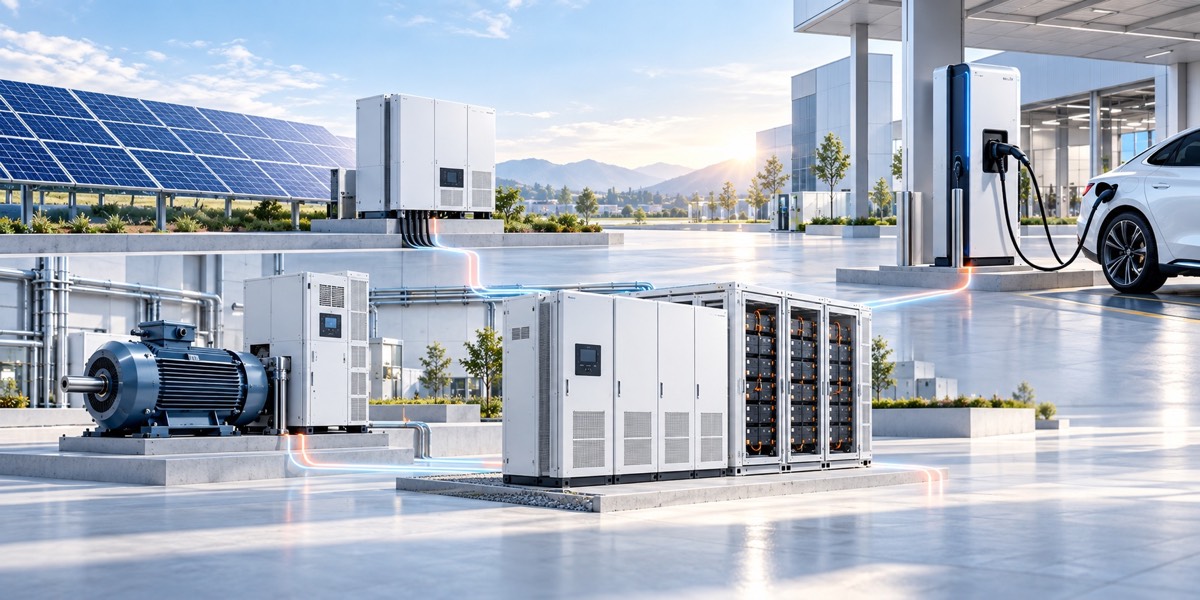
How MOSFETs Work in a DC-DC Converter
A controller adjusts MOSFET switching to transfer the required energy from one DC level to another. The topology determines how the switching stage stores, releases and isolates that energy.
Start from converter topology, input/output range and current waveform. At the chosen switching frequency, balance conduction loss against gate-drive and switching loss; check RDS(on), gate charge, output capacitance and body-diode behavior at the expected gate drive and temperature. Confirm transient margin, safe operating area and the thermal path in the datasheet.
DC Input
Energy arrives from a battery, DC bus or upstream power supply.
Control & Gate Drive
The controller converts regulation commands into accurately timed gate signals.
MOSFET Switching Stage
MOSFETs repeatedly connect and release energy through inductors or a transformer.
Regulated DC Output
Filtering smooths the switched energy into a stable output for the load.
MOSFET Options for DC-DC Converter Designs
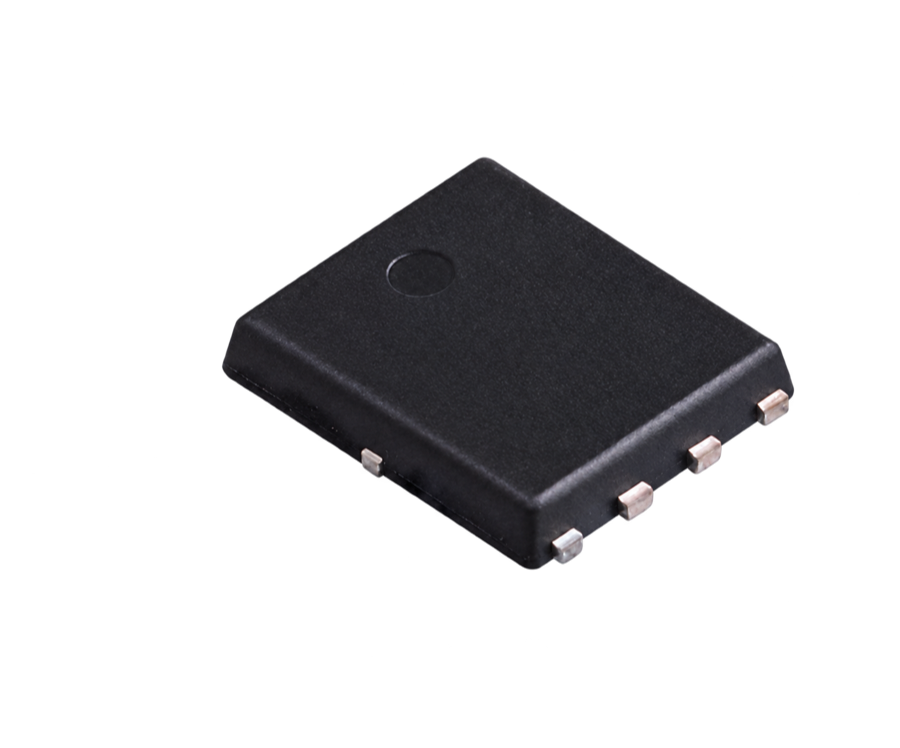
Low-Voltage MOSFETs
For compact buck, boost and isolated converters where conduction loss and board space matter.
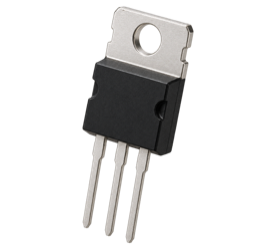
N-Channel MOSFETs
A broad device path for half-bridge, full-bridge and general-purpose DC conversion stages.
What to Share for Device Matching
Share the input and output ranges, power level, topology, continuous and peak current, package preference and cooling method. Technical documents are available upon request.